
Views: 0 Author: Site Editor Publish Time: 2026-06-30 Origin: Site


TL;DR: The Plastic Spring Buckle is an essential hardware component utilized across various sectors, particularly in the manufacturing of bags, backpacks, and performance apparel. Known for its lightweight profile, exceptional durability, and quick-release capabilities, this fastening mechanism ensures secure closures and ergonomic adjustments. By leveraging advanced polymers like POM (Polyoxymethylene) and Nylon, modern buckles can withstand extreme environmental conditions and heavy mechanical stress, making them indispensable in both everyday consumer goods and specialized tactical equipment.
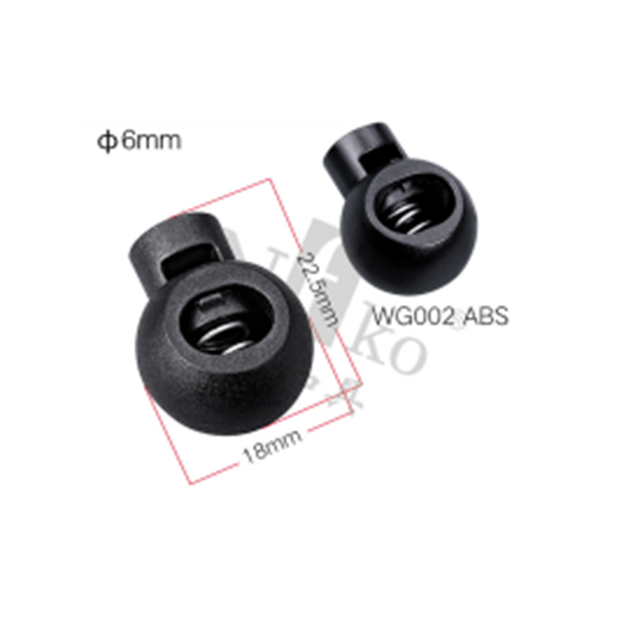
A standard high-performance Plastic Spring Buckle used in modern bag and apparel manufacturing.
In the intricate world of textile and gear manufacturing, small hardware components often dictate the overall functionality, longevity, and user experience of the final product. Among these critical components, the fastening mechanisms stand out as the primary interface between the user and the gear. Whether you are navigating a rugged mountain trail with a heavily loaded hiking pack, commuting through a bustling city with a sleek messenger bag, or deploying tactical equipment in high-stakes environments, the reliability of your gear's closures is paramount. This is where the ingenuity of modern fastening technology comes into play, providing secure, adjustable, and intuitive solutions for a myriad of applications. Understanding the engineering, material science, and specific use cases of these components is crucial for designers, manufacturers, and end-users alike.
To fully appreciate the widespread adoption of this hardware, one must first delve into the fundamental mechanics that govern its operation. A standard fastening buckle is not merely a piece of molded plastic; it is a carefully engineered mechanical device designed to provide maximum holding power while requiring minimal user effort to engage and disengage. The architecture typically consists of two primary components: the male plug (often featuring the flexible prongs or spring mechanism) and the female housing (the receptacle that secures the plug). When these two parts are pushed together, the flexible arms compress until they pass a specific locking ridge inside the housing, at which point they snap outward, creating a secure, positive lock. This audible "click" is a crucial element of user feedback, confirming that the connection is solid.
The performance of any fastening hardware is intrinsically linked to the materials used in its construction. Historically, metal was the material of choice for load-bearing buckles, but the advent of advanced engineering polymers revolutionized the industry. Today, the vast majority of high-quality buckles are injection-molded from specialized thermoplastics. Polyoxymethylene (POM), commonly known as acetal, is highly favored for its incredible stiffness, low friction, and excellent dimensional stability. POM maintains its structural integrity across a wide temperature range, making it ideal for outdoor gear. Another prevalent material is Nylon (Polyamide), which offers superior impact resistance and flexibility. Nylon is particularly effective in extremely cold environments where other plastics might become brittle and shatter under stress. The choice between POM and Nylon often depends on the specific demands of the end product, balancing rigidity against impact absorption.
Beyond the raw materials, the structural engineering of the components dictates their ultimate strength and usability. The design of the flexible prongs—the "springs" in the mechanism—requires precise calculation. If the prongs are too thick, the buckle becomes exceedingly difficult to release, frustrating the user. If they are too thin, the buckle may fail under tension or lose its elasticity over time, leading to accidental disengagement. Engineers utilize Computer-Aided Design (CAD) and Finite Element Analysis (FEA) to simulate stress distribution across the buckle's geometry. This ensures that when a load is applied, the force is evenly distributed throughout the housing rather than concentrated at the locking points. Additionally, the inclusion of webbing slots with integrated friction bars allows the buckle to not only connect two points but also to adjust the length of the attached straps, providing a dual function that is essential in modern gear design.
Backpacks represent one of the most demanding environments for fastening hardware. A fully loaded expedition backpack can weigh upwards of 50 pounds, and the dynamic forces generated by a moving human body multiply the stress on every seam and buckle. In this context, the hardware must perform flawlessly to ensure the user's comfort and safety. The strategic placement of these buckles allows for a highly customizable fit, transforming a generic sack into a precisely tuned load-carrying instrument. From the top lid closures to the intricate suspension systems, these components are the unsung heroes of backcountry travel and daily commuting alike.
The primary function of a backpack's suspension system is to transfer the weight of the load from the user's shoulders to their hips, where the body's largest muscle groups can support it efficiently. This is achieved through the use of a padded hip belt, which is invariably secured by a large, heavy-duty buckle. This specific buckle must possess an exceptionally high tensile strength, often rated to withstand hundreds of pounds of force. Furthermore, it must feature a dual-adjust mechanism, allowing the user to tighten the belt evenly from both sides by pulling the webbing forward. The reliability of this central connection point is non-negotiable; a failure here would immediately shift the entire weight of the pack onto the shoulders, causing rapid fatigue and potential injury. Therefore, manufacturers over-engineer these specific components to guarantee fail-safe performance.
Beyond the main hip belt, smaller buckles are distributed throughout the backpack to fine-tune its ergonomics. Sternum straps, which connect the two shoulder straps across the user's chest, utilize compact buckles to prevent the shoulder straps from migrating outward under heavy loads. These sternum strap buckles often incorporate built-in safety whistles—a brilliant example of multi-functional design. Additionally, compression straps located on the sides and bottom of the backpack rely on these fasteners to cinch down the load, bringing the center of gravity closer to the user's back and preventing the contents from shifting during movement. Load-lifter straps, which connect the top of the shoulder straps to the upper frame of the pack, also frequently use adjustable buckles to dial in the exact angle of weight distribution, showcasing the critical role these components play in biomechanical efficiency.
While backpacks are designed for heavy loads and symmetrical weight distribution, everyday bags—such as messenger bags, duffels, briefcases, and camera bags—present a different set of challenges. These bags are typically carried on one shoulder or across the body, requiring rapid access, frequent adjustments, and a sleek aesthetic that blends with urban environments. The hardware used in these applications must balance durability with visual appeal and intuitive, one-handed operation. The versatility of modern fastening technology allows designers to create bags that transition seamlessly from the office to the gym, and from the daily commute to weekend travel.
Messenger bags, originally designed for bicycle couriers, require a strap system that can be tightened securely against the back during transit and rapidly loosened to swing the bag forward for access. This dynamic movement is facilitated by a specialized quick-release buckle integrated into the main shoulder strap. With a single press or lift of a cam-lock mechanism, the user can instantly introduce slack into the webbing. The main flap of the messenger bag is also typically secured by two standard side-release buckles. These must be easy to operate blindly, allowing the user to open the bag without looking down. The tactile feedback of the buckle snapping shut provides reassurance that the contents—often valuable electronics or important documents—are secure against the elements and potential theft.
Duffel bags are the workhorses of the travel and sports world. They are frequently overstuffed, thrown into cargo holds, and subjected to rough handling. To manage the stress on the zippers and maintain the bag's shape, designers incorporate crossover compression straps secured by robust buckles. These straps take the tension off the main zipper track, significantly extending the lifespan of the bag. Furthermore, modern convertible duffel bags feature removable backpack straps. These straps are attached to the main body of the duffel using heavy-duty buckles, allowing the user to switch between a traditional hand-carry mode and a backpack carry mode in seconds. The structural integrity of these attachment points is vital, as they bear the entire weight of the loaded bag in a dynamic, swinging motion.
The application of rigid hardware in soft apparel requires a delicate balance. The components must be functional and durable without causing discomfort, chafing, or adding unnecessary bulk to the garment. Over the past decade, the integration of technical hardware into clothing has moved beyond purely utilitarian workwear and into mainstream outdoor, athletic, and even high-fashion streetwear. This trend, often referred to as "techwear," heavily relies on visible, functional fastening systems to create a futuristic and highly adaptable aesthetic.
In the realm of tactical and military apparel, functionality can be a matter of life and death. Tactical vests, plate carriers, and utility belts utilize an extensive array of fastening hardware to secure pouches, holsters, and modular equipment. In these applications, the hardware must meet strict military specifications (Mil-Spec). A critical requirement is "stealth" operation; the buckles must be designed to minimize the audible "click" upon engagement to prevent compromising the user's position. Furthermore, these components are often manufactured using specialized polymers that reduce their infrared (IR) signature, making them less visible through night-vision equipment. The ability to quickly ditch a heavily loaded vest in an emergency—such as falling into deep water—is facilitated by quick-release buckles strategically placed at the shoulders and cummerbund, demonstrating the life-saving potential of this technology.
For civilian outdoor enthusiasts, performance apparel such as ski jackets, mountaineering bibs, and technical wading pants incorporate fastening hardware to enhance weather protection and fit. Ski pants often feature integrated suspenders that attach via low-profile buckles, ensuring the pants remain securely positioned during aggressive movement. Winter jackets utilize small, cord-lock style buckles to adjust hood drawstrings and hem cords, allowing the user to seal out wind and snow with gloved hands. The hardware used in these winter applications must be specifically formulated to resist cold-weather embrittlement. Standard plastics can shatter upon impact at sub-zero temperatures, so manufacturers utilize specialized cold-resistant Nylon blends to ensure the buckles remain pliable and functional even in the harshest alpine environments.
For brands and product designers, the hardware sourcing process is a critical phase of product development. The market is flooded with generic, low-cost components that may look identical to high-quality parts but lack the internal engineering and material purity required for long-term reliability. Partnering with a reputable Plastic Spring Buckle manufacturer is essential to ensure that the final product meets the brand's quality standards and the consumer's expectations. A reliable manufacturing partner provides not just the physical components, but also engineering support, quality assurance documentation, and supply chain stability.
Top-tier manufacturers implement rigorous quality control protocols throughout the production cycle. This begins with the inspection of raw plastic pellets to ensure consistent moisture content and purity before injection molding. Once the parts are molded, they undergo a battery of physical tests. Tensile strength testing involves pulling the engaged buckle apart until it breaks, measuring the maximum force it can withstand. Fatigue testing involves repeatedly opening and closing the buckle thousands of times to simulate years of use, ensuring the spring mechanism does not lose its elasticity. Environmental testing exposes the hardware to extreme UV radiation, salt spray, and temperature fluctuations to verify its resistance to degradation. Brands should always request these testing certificates when selecting hardware for their products.
In a competitive retail landscape, brand differentiation is crucial. Leading manufacturers offer extensive customization options, allowing brands to tailor the hardware to their specific design language. This goes beyond simply matching the color of the plastic to the fabric (a process known as DTM, or Dye-To-Match). Customization can include laser-engraving or mold-embossing the brand's logo directly onto the buckle's surface. Furthermore, manufacturers can alter the surface finish, offering matte, glossy, or textured options to complement the tactile feel of the garment or bag. For highly specialized applications, manufacturers can even collaborate with designers to create entirely custom molds, resulting in proprietary fastening systems that offer unique functionalities not available on the open market.
The versatility of this hardware extends far beyond traditional bags and apparel. By examining the broader Plastic Spring Buckle industries, we can see how this technology has permeated numerous sectors, solving unique fastening challenges across the board. From pet accessories to medical devices, the core principles of secure, quick-release fastening remain universally highly valued.
Pet Accessories: Dog collars and harnesses are massive consumers of fastening hardware. In this industry, the buckles must withstand the sudden, high-impact force of a lunging animal. Manufacturers often use contoured buckles that curve to match the shape of the dog's neck, preventing chafing and improving comfort.
Medical and Orthopedic Devices: Braces, slings, and patient restraint systems rely on these buckles for secure, adjustable fits. In medical applications, the hardware must be easily sanitizable, hypoallergenic, and capable of being operated by patients who may have limited hand dexterity or strength.
Automotive and Marine: While heavy-duty metal hardware is common here, high-strength plastic buckles are increasingly used for securing cargo nets, tonneau covers, and boat covers. Their resistance to rust and saltwater corrosion makes them superior to metal in many marine environments.
Child Safety Equipment: High chairs, strollers, and baby carriers utilize complex, multi-point harness buckles. These specific components require dual-action release mechanisms (e.g., pressing a center button while squeezing the sides) to ensure that a child cannot accidentally unbuckle themselves, highlighting the critical safety engineering involved.
To provide a comprehensive understanding of this essential hardware, it is helpful to address some of the most common inquiries from designers, manufacturers, and end-users. These questions often revolve around performance limits, material choices, and maintenance.
The load-bearing capacity varies drastically depending on the size, material, and design of the specific component. A small 3/8-inch buckle used for a sternum strap may only be rated for 10 to 20 pounds of static force. Conversely, a heavy-duty 2-inch POM buckle used on a tactical backpack's hip belt can easily withstand 200 to 300 pounds of force before catastrophic failure. It is crucial to consult the manufacturer's specification sheets to ensure the selected hardware matches the intended application's load requirements. Overloading a buckle not only risks immediate breakage but can also cause the webbing to slip through the friction bars.
Standard plastics, particularly lower-grade polycarbonates or cheap ABS, become highly brittle in sub-zero temperatures and can shatter if struck against a hard surface. However, high-quality buckles engineered for outdoor and mountaineering use are typically molded from specialized Nylon (Polyamide) blends. Nylon retains its molecular flexibility at extremely low temperatures, ensuring that the spring mechanism continues to operate smoothly and the housing resists impact damage. If you are designing gear for winter sports or polar expeditions, specifying cold-resistant Nylon hardware is an absolute necessity.
One of the primary advantages of this hardware is its low maintenance requirement compared to metal alternatives that require lubrication to prevent rust. However, dirt, sand, and grit can accumulate inside the female housing, interfering with the locking mechanism and causing the buckle to stick or fail to engage fully. Cleaning is simple: vigorously rinse the buckle with fresh, warm water to flush out debris. An old toothbrush can be used to scrub the internal tracks. Avoid using harsh chemical solvents, as they can degrade the polymer structure over time. If the buckle feels stiff after cleaning, a very light spray of dry silicone lubricant can restore smooth operation, though this is rarely necessary for high-quality POM components due to their naturally low coefficient of friction.
The hardware industry is not static; it continually evolves in response to consumer demands, environmental concerns, and technological advancements. As we look to the future, several key trends are shaping the next generation of fastening systems.
Sustainability is currently the most significant driving force in the textile and apparel industry, and hardware manufacturers are adapting rapidly. The reliance on virgin petroleum-based plastics is being challenged by the introduction of recycled polymers. Manufacturers are now producing high-performance buckles using post-consumer recycled (PCR) plastics, such as recycled nylon from discarded fishing nets (ocean-bound plastics) or recycled POM from industrial scrap. Furthermore, research into bio-based polymers—plastics derived from renewable resources like castor oil or corn starch—is yielding materials that offer comparable strength to traditional plastics but with a significantly lower carbon footprint. The challenge lies in maintaining the strict tensile strength and durability standards while transitioning to these greener materials.
The intersection of hardware and wearable technology is an emerging frontier. We are beginning to see the conceptualization of "smart" buckles that incorporate micro-sensors and RFID chips. In tactical or high-altitude mountaineering applications, a smart buckle could monitor the tension on a strap, alerting the user via a connected smartwatch if a load-bearing strap is coming loose. In the logistics and travel sector, RFID-embedded hardware can facilitate advanced tracking and inventory management of bags and cargo. While still in its infancy, the integration of microelectronics into standard fastening hardware represents a massive leap forward in functionality.
Summary of Product Advantages:
In conclusion, the widespread reliance on the Plastic Spring Buckle across the bag, backpack, and apparel industries is a testament to its superior design and functional benefits. The ultimate advantages of this hardware include:
Exceptional Lightweight Profile: Significantly reduces the overall weight of gear compared to metal hardware, which is crucial for hikers, athletes, and daily commuters.
High Tensile Strength and Durability: Engineered from advanced polymers like POM and Nylon, these components can withstand immense mechanical stress, heavy loads, and repeated use without losing structural integrity.
Corrosion and Weather Resistance: Unlike metal, plastic hardware is entirely immune to rust and oxidation, making it the perfect choice for marine environments, outdoor gear, and all-weather apparel.
Ergonomic Quick-Release Functionality: Provides intuitive, one-handed operation that enhances user safety and convenience, allowing for rapid adjustments and immediate disengagement when necessary.
Cost-Effective Scalability: The injection molding process allows for the mass production of highly consistent, complex geometries at a fraction of the cost of machined or cast metal parts.
Design Versatility: Available in an infinite array of colors, sizes, and custom shapes, enabling designers to seamlessly integrate the hardware into any aesthetic vision while maintaining peak performance.
By combining material science with precision engineering, this humble fastening device continues to be the foundational link that holds our most critical gear together, ensuring safety, comfort, and reliability in every application.


