
Views: 0 Author: Site Editor Publish Time: 2025-12-01 Origin: Site


Plastic pads are an essential component across many industries, providing protection, cushioning, insulation, and more. Whether used in industrial machinery, consumer products, medical applications, or the automotive industry, plastic pads play a vital role in ensuring the safety, durability, and functionality of a wide range of products. However, choosing the right plastic pad can be a challenging task, as there are many factors to consider, such as material, thickness, environmental conditions, and intended function.
In this guide, we will explore how to choose the right plastic pad for your specific needs. From understanding the different materials available to evaluating thickness and functionality, this article will provide you with the essential information to make an informed decision.
A plastic pad is a flat, often flexible component made from durable plastic materials. These pads are used for a variety of purposes, such as protecting surfaces, cushioning products, reducing vibration, and insulating sensitive components. They are commonly used in manufacturing, healthcare, automotive, and consumer products.
Plastic pads are typically made from materials like polyethylene, polypropylene, PVC, and rubber-infused plastics, each offering different advantages depending on the application. The right plastic pad can provide long-term durability, protect sensitive components, and improve the overall performance of the product.
Choosing the wrong plastic pad can result in various issues, such as premature wear and tear, insufficient protection, or increased maintenance costs. For example, a pad that isn't durable enough for a heavy-duty machine can fail under stress, leading to equipment downtime and potential damage. Likewise, using a pad with the wrong level of cushioning can affect product performance or comfort.
To avoid these problems, it’s essential to select the right plastic pad based on your specific requirements. The material, thickness, and functionality of the pad will determine its effectiveness and lifespan.
When choosing a plastic pad, the material plays a critical role in determining its properties, such as strength, flexibility, resistance to environmental factors, and overall durability. Below, we’ll explore the most common materials used in plastic pads and their characteristics.
Material | Properties | Best For |
Polyethylene | Lightweight, durable, cost-effective, moisture-resistant | Consumer products, light industrial applications |
Polypropylene | Resistant to chemicals and moisture, flexible | Outdoor, marine, chemical applications |
PVC | Flexible, durable, impact-resistant | Heavy-duty industrial, automotive, and flooring |
Rubber-Infused Plastics | Shock-absorbing, vibration-resistant | Machinery, automotive, and medical devices |
Polyethylene is one of the most common materials used in plastic pads due to its cost-effectiveness and durability. It is lightweight, resistant to moisture, and has a moderate level of flexibility. Polyethylene is often used in light industrial applications, consumer goods, and packaging.
Best For: Polyethylene is ideal for applications where the pad doesn’t need to bear heavy loads but still requires good surface protection.
Polypropylene is a more chemically resistant material compared to polyethylene, making it suitable for applications where exposure to moisture, chemicals, or extreme temperatures is common. It is also more flexible than other materials, providing added resistance to wear and tear.
Best For: Polypropylene is ideal for outdoor and chemical applications, including marine environments and industrial settings.
Polyvinyl chloride (PVC) is a durable and flexible plastic that offers high resistance to impact, chemicals, and moisture. PVC plastic pads are often used in heavy-duty industrial applications where additional strength and durability are required.
Best For: PVC pads are commonly used in industrial, automotive, and flooring applications where impact resistance is important.
Rubber-infused plastic pads combine the benefits of plastic with the shock-absorbing properties of rubber. These pads are ideal for applications that require vibration dampening or enhanced cushioning, such as in machinery or medical equipment.
Best For: Rubber-infused plastics are ideal for industrial machinery, automotive parts, and medical devices that require both flexibility and shock absorption.

The thickness of the plastic pad plays a major role in determining its effectiveness. Thicker pads provide more protection and cushioning, while thinner pads are suitable for lighter-duty applications where space is limited.
Pad Thickness | Applications | Advantages |
Thicker Pads | Heavy machinery, industrial equipment, flooring | Provides enhanced shock absorption and protection |
Thinner Pads | Consumer products, electronics, light machinery | Cost-effective, space-saving, easier to handle |
Thicker plastic pads are ideal for applications that require extra protection, such as heavy machinery or industrial equipment. The additional thickness provides better shock absorption, vibration reduction, and weight distribution, making these pads suitable for high-stress environments.
Best For: Heavy-duty machinery, large appliances, and floor protection in industrial settings.
Thinner plastic pads are often used for applications where minimal protection is required or where space is limited. These pads are more affordable and lightweight but still offer essential protection against scratches and light impact.
Best For: Light-duty applications such as consumer products, electronics, or office furniture.
When selecting a plastic pad, it’s important to consider the environment in which the pad will be used. Factors like temperature, moisture, and exposure to chemicals can influence the performance and durability of the plastic pad.
Environmental Factor | Recommended Material | Reason |
High/Low Temperature | PVC, Polypropylene | Can withstand a wide range of temperatures |
Moisture Exposure | Polypropylene, PVC | Resistant to moisture and chemicals |
UV Exposure | Polyethylene, UV-resistant versions of PVC | Protects against sun damage in outdoor settings |
Certain applications may involve exposure to high or low temperatures. Materials like PVC and polypropylene are designed to withstand extreme temperatures, making them suitable for applications in hot environments, such as industrial equipment or outdoor settings.
For applications where moisture or chemicals are present, polypropylene and PVC are ideal materials due to their superior resistance to water and chemical exposure. These materials will not degrade or lose effectiveness when exposed to these elements.
If the plastic pad will be exposed to sunlight for long periods, choosing a UV-resistant material like polyethylene is essential. UV rays can degrade plastic over time, so using materials that offer UV protection is key for outdoor applications.
Different applications require different functionalities from a plastic pad. Some pads need to absorb shock, while others may need to insulate or protect delicate components.
Functional Need | Best Material/Pad | Example Application |
Shock Absorption | Rubber-infused plastic, thick PVC | Industrial machinery, automotive, medical pads |
Weight Distribution | Durable Polyethylene, thick PVC | Heavy-duty machinery, furniture protection |
Ergonomics/Comfort | Rubber or foam-infused pads | Anti-fatigue mats for workers, footrests |
For applications that involve high-impact or vibrations, it is crucial to use rubber-infused plastic pads or thicker PVC pads. These materials are designed to absorb vibrations, making them ideal for machinery, automotive, and medical devices.
If the plastic pad needs to support heavy loads, materials like polyethylene or PVC are appropriate choices. These materials provide the necessary strength to distribute weight evenly across surfaces, reducing the risk of damage or wear.
In applications like standing mats or footrests, rubber-infused plastic pads or EVA foam are ideal because they provide cushioning and comfort to reduce strain on the body, making them useful for healthcare workers or people who spend long hours standing.
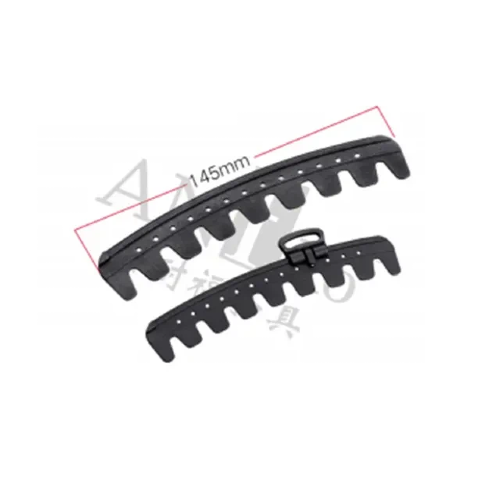
Plastic pads can be customized to suit specific applications, ensuring optimal performance.
Size and Shape: Pads can be tailored to fit specific areas or components.
Surface Texture: Textured pads can offer better grip, while smooth surfaces are ideal for protection without added friction.
Color and Branding: Custom colors and branding options are available for consumer products or corporate needs.
Customization allows for better fit and functionality, ensuring that the plastic pad performs as required in its specific application. Customization is particularly important for industries with unique needs, such as healthcare, automotive, or heavy machinery.
When selecting a plastic pad, it’s important to balance cost and durability.
While cheaper plastic pads may seem like a cost-effective option, they may not offer the same durability and protection as higher-quality materials. Investing in more durable materials like PVC or polypropylene can reduce long-term maintenance costs and increase product longevity.
Choosing the right plastic pad is crucial to ensuring the performance, durability, and safety of your products. Factors like material, thickness, environmental resistance, and functionality must be carefully considered to meet the specific needs of your application. Whether you're looking for shock absorption, surface protection, or insulation, selecting the appropriate plastic pad will not only enhance the product’s functionality but also provide long-term value.
For those seeking high-quality, durable plastic pads, Quanzhou Annaifu Plastic Co., Ltd. offers a wide range of customizable solutions tailored to meet the unique demands of various industries. With extensive expertise in manufacturing, their team ensures that each plastic pad is crafted to provide the right balance of strength, flexibility, and resistance. Reach out today to explore how their products can help elevate your designs and meet your specific application requirements.
Answer: For outdoor applications, polyethylene and polypropylene are excellent choices due to their resistance to UV exposure, moisture, and environmental elements.
Answer: Yes, plastic pads can be customized in terms of size, thickness, material, texture, and color to meet specific requirements.
Answer: The thickness of the pad depends on the application. For heavy-duty machinery, thicker pads provide better shock absorption, while thinner pads are suitable for light-duty applications.
Answer: Some plastic pads, particularly those made from polyethylene or polypropylene, are recyclable, making them more environmentally friendly than other materials.
Answer: The lifespan of a plastic pad depends on the material and the environmental conditions. High-quality pads made from durable materials like PVC or polypropylene can last for several years, even in harsh environments.


