
Views: 0 Author: Site Editor Publish Time: 2026-01-28 Origin: Site


Selecting the right plastic buckle is essential for ensuring the performance, safety, and longevity of products across various industries. When choosing a plastic buckle, several factors must be considered, including load capacity, environmental conditions, and the specific use case. The buckle's ability to withstand stress, exposure to the elements, and meet functional requirements directly impacts the durability and reliability of the product it supports. Whether for heavy-duty equipment, outdoor gear, or safety devices, understanding how to select the right buckle based on these factors will ensure that the product not only performs well but also offers long-lasting security and comfort for the end user. In this article, we’ll explore how to select the ideal plastic buckle based on these critical considerations, providing guidance to make informed decisions for diverse applications.
When selecting a plastic buckle, understanding its load-bearing capacity is crucial to ensure it can withstand the forces it will face in its intended application. This capacity refers to the amount of weight or force a buckle can endure without failure, typically measured through tensile testing.
The material of the buckle directly impacts its load capacity. Here’s a breakdown of common materials:
Nylon: Known for its high tensile strength and abrasion resistance, Nylon is ideal for heavy-duty applications like backpacks and safety harnesses, providing strong and flexible performance.
Best for: High-strength, heavy-duty applications requiring durability and flexibility.
Polypropylene (PP): Lighter and more flexible than Nylon, Polypropylene is best for light-duty applications. While it’s resistant to moisture and chemicals, it lacks the strength for heavy loads.
Best for: Light-duty applications like sports gear or casual bags.
Polycarbonate: With high impact resistance and superior strength, Polycarbonate is suited for heavy-duty applications and extreme conditions, like safety gear and automotive buckles.
Best for: High-impact, heavy-duty use where durability is critical.
Light-Duty: For products with moderate loads, like backpacks or sports bags, Polypropylene or Nylon are good choices. Polypropylene is lightweight and moisture-resistant, while Nylon offers added strength for moderate loads.
Heavy-Duty: For products facing extreme loads or constant tension, like industrial equipment or safety harnesses, Nylon or Polycarbonate are more suitable for their strength and durability.
Light-duty (up to 50 lbs): Use Polypropylene for basic applications.
Moderate-duty (50-150 lbs): Opt for Nylon for a balance of strength and flexibility.
Heavy-duty (150+ lbs): Choose Polycarbonate or reinforced Nylon for extreme load-bearing applications.
Environmental factors such as UV exposure, temperature extremes, and moisture can significantly affect the performance and durability of plastic buckles. Choosing the right material is essential for ensuring that buckles remain reliable in harsh conditions.
UV radiation from sunlight can degrade plastic materials, making them brittle and weak over time.
Polypropylene (PP): Offers good UV resistance and works well in outdoor gear and sports equipment, though it may degrade over prolonged exposure.
Polycarbonate: Highly resistant to UV degradation, making it suitable for long-term outdoor use in automotive parts, safety gear, and outdoor equipment.
Best for UV Resistance: Polycarbonate and UV-treated Polypropylene offer durability in sun-exposed environments.
Buckles must maintain strength and flexibility in both high and low temperatures.
Polycarbonate: Excellent performance in extreme temperatures, making it ideal for automotive and safety harnesses.
Nylon: Performs well in moderate temperature ranges but may lose strength at high heat.
Polypropylene: More resistant to cold but less suitable for high heat.
Best for Temperature Extremes: Polycarbonate is the top choice for high and low temperature applications, while Polypropylene works well in cold conditions.
Exposure to moisture or chemicals can cause degradation or corrosion.
Polypropylene: Highly resistant to moisture and chemicals, making it ideal for marine or wet environments.
Polycarbonate: Strong chemical resistance, but less moisture-resistant than Polypropylene. Ideal for automotive and industrial use.
Best for Moisture & Chemical Resistance: Polypropylene is best for marine or wet environments, while Polycarbonate suits chemical-resistant applications.
In marine or automotive environments, the buckle must withstand rain, salt, and extreme weather.
Polypropylene: Excellent in marine environments due to its saltwater resistance.
Polycarbonate: Performs well in weatherproofing, though it is more suited for industrial rather than wet environments.
Best for Weatherproofing: Polypropylene excels in saltwater and moisture-rich environments.
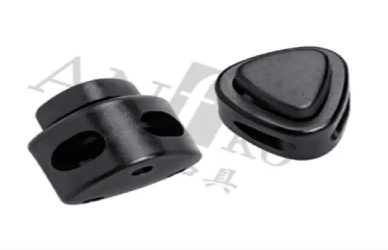
Selecting the right plastic buckle design is essential for ensuring the ease of use, adjustability, and security required for various applications, such as emergency gear, backpacks, or safety harnesses. Different use cases demand different buckle designs:
Use Case: In emergency gear like first aid kits or rescue equipment, fast detachment is essential.
Design: Quick-release buckles allow rapid disengagement, ensuring easy access under pressure.
Example: A first aid kit buckle that opens quickly when needed.
Use Case: Backpacks and outdoor gear require adjustable buckles to provide a custom fit for straps and load distribution.
Design: Adjustable buckles allow easy tightening or loosening for a better fit. Commonly used in shoulder straps or waistbands.
Example: Backpack buckles that adjust for comfort during hiking or travel.
Use Case: Safety gear, such as harnesses or seat belts, requires secure buckles that prevent accidental release.
Design: Auto-locking buckles automatically engage once fastened, ensuring security.
Example: A safety harness buckle that locks to prevent unintentional release during climbing.
Use Case: Military and tactical gear need buckles that allow quick release for easy access to gear in high-pressure situations.
Design: Side-release buckles are used for fast fastening and unfastening of vests or pouches.
Example: A military vest buckle for fast gear access and emergency release.
Use Case: Luggage and bags require adjustable buckles to ensure proper fit and secure closure.
Design: D-ring buckles and adjustable straps allow flexibility and ease of carrying.
Example: Luggage buckles that adjust for different carrying styles.
Choosing the right material for plastic buckles ensures optimal performance, durability, and safety. The material should align with the specific load, environment, and use case. Here’s a summary of the best materials for various needs:
Best for: Heavy-duty applications such as backpacks, safety harnesses, and military gear.
Key Properties:
High strength: Withstands heavy loads.
Abrasion resistance: Durable under constant wear.
Flexibility: Provides comfort and adjustability.
Recommendation: Use Nylon for gear that requires high tension and frequent use, offering a balance of strength and flexibility.
Best for: Outdoor gear, sporting equipment, and light-duty uses like backpacks or bags.
Key Properties:
Lightweight: Great for reducing product weight.
Moisture-resistant: Performs well in humid environments.
UV resistance: Suitable for moderate outdoor exposure.
Recommendation: Choose Polypropylene when lightweight and moisture resistance are key, ideal for outdoor gear exposed to UV rays.
Best for: High-impact applications like automotive parts, safety gear, and industrial equipment.
Key Properties:
Impact resistance: Withstands heavy stress without cracking.
Thermal stability: Performs well in high-temperature environments.
UV and chemical resistance: Suitable for harsh environments.
Recommendation: Opt for Polycarbonate for applications requiring high durability, impact resistance, and thermal stability.
Backpacks and Outdoor Gear: Polypropylene or Nylon offer lightweight and moisture resistance, with Nylon better for heavy-duty use.
Safety Equipment (e.g., harnesses, seat belts): Polycarbonate is ideal for impact resistance and high strength.
Tactical and Military Gear: Nylon is preferred for high-load and flexible applications.
Sporting Equipment: Polypropylene works for light-duty gear, while Nylon suits more durable applications.
Consider the weight or force the buckle will experience and choose materials with sufficient strength (e.g., Nylon for heavy-duty use).
Polycarbonate and Polypropylene are ideal for UV resistance, making them suitable for outdoor applications.
For high-security use, choose auto-locking or latch designs to prevent accidental release, such as in safety harnesses.
Polycarbonate is highly resistant to temperature extremes and is ideal for environments with high heat or cold.
Selecting the right plastic buckle is a critical process that depends on understanding the load requirements, environmental factors, and specific use case of the application. The buckle material must be chosen to match the stresses it will encounter, whether it’s for heavy-duty loads, outdoor exposure, or safety-critical applications. Factors such as strength, impact resistance, moisture resistance, and UV durability play a crucial role in ensuring the buckle performs reliably under varying conditions. Whether for backpacks, safety gear, or tactical applications, the right buckle material—be it Nylon, Polypropylene, or Polycarbonate—ensures performance, safety, and long-term durability. Choosing the correct buckle for the job not only optimizes functionality but also enhances the product's reliability and user protection.


