
Views: 0 Author: Site Editor Publish Time: 2026-06-15 Origin: Site


TL;DR: When designing equipment that requires reliable, adjustable, and secure fastening, the choice of hardware is paramount. A high-quality plastic spring buckle offers an unparalleled combination of lightweight design, high tensile strength, corrosion resistance, and user-friendly ergonomics. This comprehensive guide explores the mechanics, material science, industry applications, and inherent advantages of integrating these buckles into modern strap configurations, proving why they are the superior choice over traditional metal alternatives.
In the complex world of hardware design and textile engineering, the efficiency of a product often comes down to its smallest components. Whether you are developing high-performance mountaineering backpacks, tactical military vests, life-saving medical braces, or everyday luggage, the fastening mechanism dictates the overall user experience and product reliability. Among the myriad of fastening solutions available on the global market today, one component consistently stands out for its versatility and performance. The integration of these components into adjustable strap systems has revolutionized how designers approach load-bearing and tension-adjusting equipment.
Unlike rudimentary sliders or heavy metal clasps, modern polymer-based fastening solutions provide a dynamic, secure, and easily adjustable interface. They are engineered to withstand significant stress while allowing the user to make micro-adjustments on the fly. This article delves deep into the engineering, material composition, and practical applications of these essential hardware pieces, providing product designers, engineers, and procurement specialists with the knowledge needed to make informed decisions.
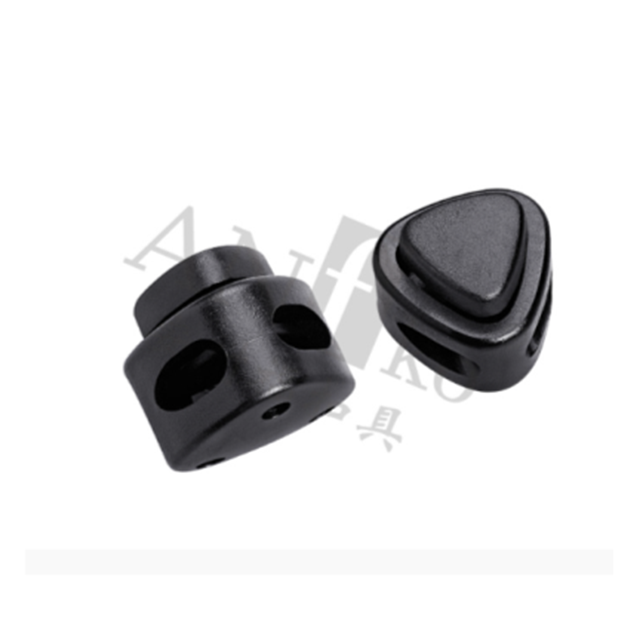
An engineered plastic spring buckle designed for optimal performance in adjustable strap configurations.
To fully appreciate why a Plastic Spring Buckle is the optimal choice for adjustable configurations, one must first understand the mechanical principles that govern its operation. At its core, this hardware is a marvel of mechanical engineering, utilizing the inherent flexibility and memory of specific polymers to create a secure locking mechanism that can be engaged and disengaged with minimal effort.
The primary function of a Plastic Spring Buckle is to manage the tension and length of webbing or straps. It achieves this through a combination of friction, leverage, and spring tension. When webbing is threaded through the slots of the buckle, the internal spring mechanism—often a cantilevered piece of the molded plastic itself or an internal stainless-steel coil—applies pressure against the strap. This pressure forces the webbing against a textured or toothed bar within the buckle housing. As tension is applied to the strap (for example, when a backpack is loaded with weight), the friction between the webbing and the buckle increases, effectively locking the strap in place and preventing slippage.
What sets the Plastic Spring Buckle apart from standard tension locks or tri-glides is the active tension provided by the spring mechanism. In traditional hardware, the lock relies entirely on the angle of the webbing. If the angle changes, the strap can slip. However, a Plastic Spring Buckle actively bites down on the webbing. To adjust the strap, the user simply depresses the spring-loaded lever or button, which lifts the locking bar away from the webbing, allowing it to slide freely. The moment the user releases the button, the spring instantly re-engages the lock. This allows for rapid, one-handed adjustments, which is a critical feature in dynamic environments such as outdoor sports or tactical operations.
When comparing fastening options, engineers must weigh various factors including weight, strength, environmental resistance, and cost. The Plastic Spring Buckle consistently outperforms traditional metal buckles and inferior plastic hardware across multiple critical metrics. Let us explore the specific reasons why this component dominates the market.
There is a common misconception that plastic is inherently weaker than metal. While this may be true for low-grade, commodity plastics, the engineered polymers used in a high-quality Plastic Spring Buckle are incredibly robust. Materials such as Polyoxymethylene (POM), commonly known as Acetal, possess remarkable tensile strength and dimensional stability. A well-designed Plastic Spring Buckle can withstand hundreds of pounds of force without deforming or breaking. Furthermore, these polymers have excellent fatigue resistance, meaning the spring mechanism can be cycled (opened and closed) tens of thousands of times without losing its tension or snapping.
In industries where every gram matters—such as aerospace, ultralight backpacking, and competitive sports—the weight of hardware is heavily scrutinized. A Plastic Spring Buckle offers a fraction of the weight of a comparable brass, steel, or even aluminum buckle. This weight reduction does not come at the cost of performance. By utilizing advanced injection molding techniques, manufacturers can create complex, hollowed-out geometries that maximize strength while minimizing material usage. For a manufacturer producing a backpack with ten to fifteen adjustment points, switching to a Plastic Spring Buckle can reduce the overall weight of the product significantly, thereby reducing user fatigue.
One of the most significant drawbacks of metal hardware is its susceptibility to the elements. Steel rusts, brass tarnishes, and aluminum can oxidize or suffer from galvanic corrosion when exposed to saltwater. A Plastic Spring Buckle is completely immune to rust and corrosion. Whether submerged in the ocean, exposed to torrential rain, or subjected to high humidity environments, the polymer remains unaffected. Additionally, high-quality plastic buckles are treated with UV inhibitors during the manufacturing process, preventing the material from becoming brittle or fading when exposed to prolonged sunlight. They also perform exceptionally well in extreme cold, whereas metal buckles can freeze, stick, and become painful to operate with bare hands in sub-zero temperatures.
The performance of a Plastic Spring Buckle is directly tied to the chemical composition of the polymer used in its construction. Not all plastics are created equal, and understanding the material science behind these components is crucial for selecting the right buckle for your specific application.
Polyoxymethylene (POM), widely known by trade names such as Delrin, is the gold standard for manufacturing a Plastic Spring Buckle. Acetal is an engineering thermoplastic characterized by its high stiffness, low friction, and excellent dimensional stability. It is particularly well-suited for spring mechanisms because of its high flexural fatigue resistance—meaning it can bend and return to its original shape repeatedly without weakening. Acetal also has a very low moisture absorption rate, ensuring that the Plastic Spring Buckle will not swell, warp, or lose its strength in wet conditions. It provides a crisp, audible "click" when engaged, giving the user tactile and auditory confirmation that the system is secure.
Nylon (Polyamide) is another common material used in the production of a Plastic Spring Buckle. Nylon is incredibly tough and offers superior impact resistance compared to Acetal, making it highly resistant to shattering if struck by a heavy object or dropped on a hard surface. However, Nylon is hygroscopic, meaning it absorbs moisture from the environment. While this moisture absorption actually increases the impact resistance of the Nylon Plastic Spring Buckle, it can slightly reduce its tensile strength and stiffness. Therefore, Nylon buckles are often preferred in applications where impact resistance is the primary concern, while Acetal is preferred where rigid tension and water resistance are paramount.
Because of its unique combination of strength, lightweight design, and ease of use, the Plastic Spring Buckle has found its way into a vast array of industries. Its ability to securely manage adjustable strap configurations makes it an indispensable component across multiple sectors.
In the outdoor industry, gear failure is not an option. Backpacks, tents, sleeping bag compression sacks, and climbing harnesses all rely heavily on adjustable straps. A Plastic Spring Buckle is ideal for these applications because it allows hikers and climbers to adjust their gear while wearing thick gloves. The corrosion resistance ensures that the hardware will survive river crossings and torrential downpours, while the lightweight nature of the buckle helps keep the overall pack weight to a minimum.
Tactical gear requires hardware that is rugged, reliable, and stealthy. Metal buckles can clink together, creating unwanted noise, and can reflect light, compromising a user's position. A Plastic Spring Buckle operates silently and can be manufactured in matte colors such as olive drab, coyote brown, or flat black to blend seamlessly with camouflage patterns. Furthermore, the quick-release capabilities of a spring-loaded buckle are crucial in emergency situations where a user must rapidly ditch their gear.
Beyond extreme environments, the Plastic Spring Buckle is a staple in everyday consumer goods. Duffel bags, messenger bags, laptop cases, and pet collars all utilize these buckles. Consumers appreciate the smooth operation and the aesthetic versatility, as plastic buckles can be molded into virtually any shape and color to match the branding and design language of the product.
The design and material of a buckle are only as good as the manufacturing process behind them. Poor injection molding can lead to weak points, flash (excess plastic), and inconsistent spring tension. Therefore, partnering with an experienced and certified Plastic Spring Buckle manufacturer is the most critical step in ensuring the quality of your final product. A reputable manufacturer will have strict quality control protocols, advanced tooling capabilities, and a deep understanding of polymer science.
When evaluating a manufacturer, look for facilities that conduct rigorous in-house testing. A premium Plastic Spring Buckle should undergo tensile testing to determine its breaking point, cycle testing to ensure the longevity of the spring mechanism, and environmental testing to verify its performance in extreme temperatures and UV exposure. Additionally, a top-tier manufacturer will offer customization options, allowing you to tailor the buckle's size, webbing slot width, color, and even incorporate custom logos directly into the mold. By ensuring your supply chain is rooted in quality, you guarantee that the hardware will not be the point of failure in your strap systems.
In conclusion, the engineering behind adjustable strap configurations requires components that balance strength, usability, and environmental resilience. By choosing to integrate a high-quality Plastic Spring Buckle into your product design, you are investing in a superior fastening solution that delivers on all fronts.
Exceptional Strength-to-Weight Ratio: Engineered polymers like POM provide immense tensile strength without the heavy burden of metal hardware, reducing overall product weight.
Total Corrosion and Weather Resistance: Completely immune to rust, oxidation, and water damage, making them perfect for marine, outdoor, and extreme weather applications.
Ergonomic and Rapid Adjustment: The active spring mechanism allows for smooth, one-handed tension adjustments and secure locking, even when the user is wearing heavy gloves.
High Cycle Longevity: Designed to withstand tens of thousands of open/close cycles without suffering from material fatigue or loss of spring tension.
Silent and Stealthy Operation: Eliminates the clinking noise and light reflection associated with metal buckles, which is essential for tactical and hunting gear.
Cost-Effective Scalability: Advanced injection molding allows for high-volume production with consistent quality, offering a highly economical solution for large-scale manufacturing.


